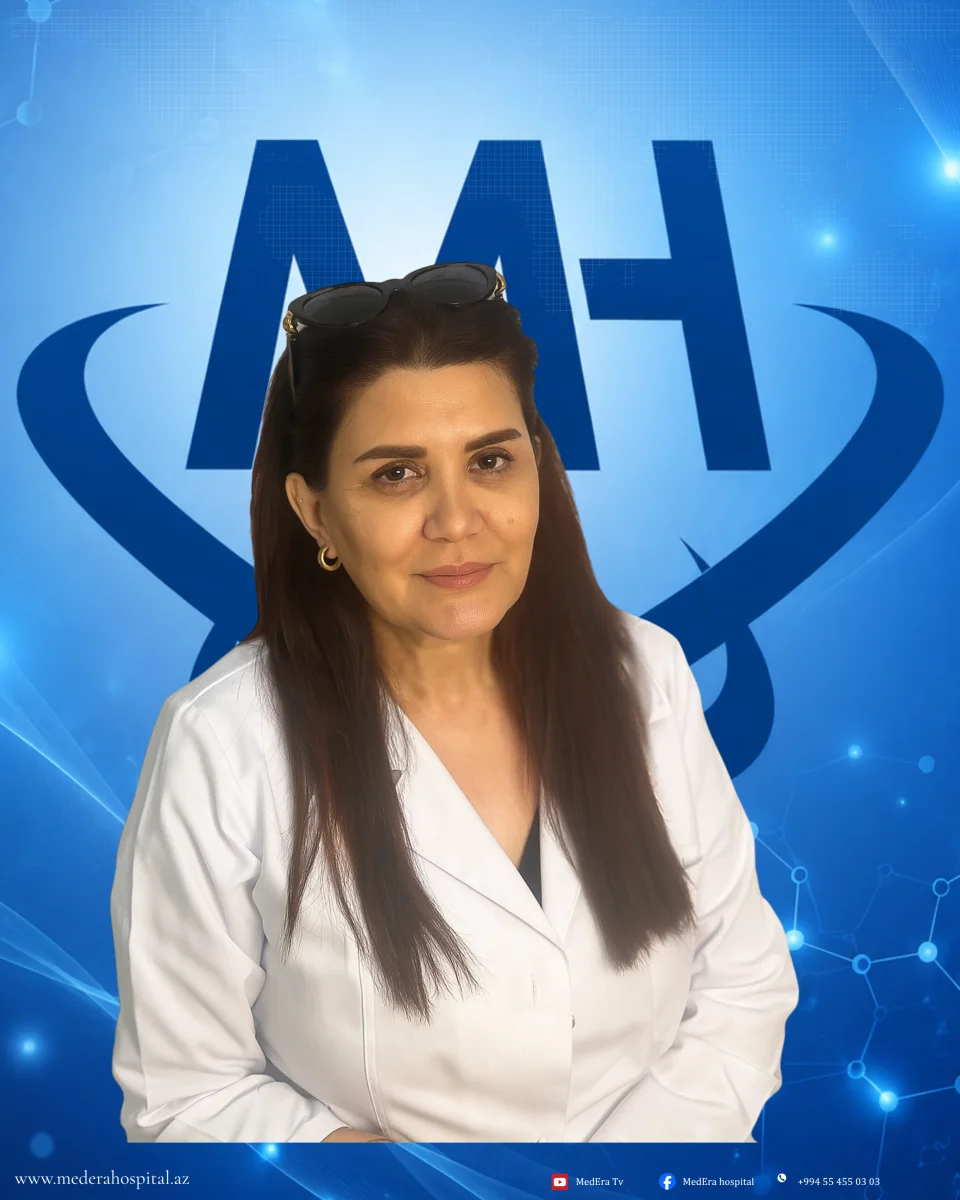
Gynecology
At our hospital’s Gynecology Department, patients are treated under the supervision of highly trained and experienced specialists who are distinguished in their fields. Services include:
- Check-up examinations
- Pregnancy monitoring
- Diagnosis of gynecological diseases
- Ultrasound examinations
- Female infertility
- Polycystic Ovary Syndrome (PCOS)
- Endometriosis
- Uterine fibroids (myomas)
- Cystocele
- Ectopic pregnancy
- Ovarian cysts
- Recurrent miscarriages during pregnancy
- Urinary incontinence
- Prevention and treatment of other gynecological problems
Polycystic Ovary Syndrome (PCOS), affecting about 1 in 10 women, is a common ovulation disorder caused by hormonal imbalances and elevated insulin levels, which can lead to infertility. Our specialists provide personalized treatment to increase the chances of pregnancy for women desiring motherhood.
Endometriosis is a gynecological disease in which endometrial glands and stroma (tissue normally lining the uterus) grow outside the uterus, often in the pelvic cavity but potentially anywhere in the body. Pain is the most common symptom, with ¾ of symptomatic patients experiencing pelvic pain and/or dysmenorrhea (painful menstruation). Endometriosis can cause infertility due to pelvic adhesions, endometriomas, and secretion of substances that interfere with ovarian function, ovulation, fertilization, and implantation. Women with endometriosis and primary infertility may have an increased risk of ovarian cancer.
Uterine fibroids (myomas) are benign tumors arising from the uterine muscle tissue, affecting 20–40% of women of reproductive age. They are hormone-sensitive and may grow slowly during reproductive years, shrinking after menopause. Treatment usually begins with medication, followed by surgical intervention if necessary. Rarely, fibroids can grow rapidly or develop into leiomyosarcoma. Regular monitoring and surgery in suspicious cases are essential.
Ectopic pregnancy occurs when the fallopian tube’s function is disrupted due to adhesions from endometriosis, preventing proper embryo development and causing miscarriage at 7–8 weeks. Symptoms may include lower abdominal pain, chills, and bleeding. Diagnosis relies on patient history, clinical signs, and transvaginal ultrasound. Treatment is surgical, including resection of the fallopian tube and/or ovary.
Ovarian cysts are fluid-filled sacs on or inside the ovaries, which may be asymptomatic and sometimes resolve spontaneously. However, some cysts can cause severe symptoms. Warning signs include menstrual irregularities, pelvic pain, pain during intercourse, intermenstrual bleeding, nausea, breast tenderness, fever, or increased urinary frequency due to pressure on the bladder. Immediate medical attention is required.
Early pregnancy loss occurs in 15–20% of pregnancies, with spontaneous miscarriages accounting for 80% of early losses. About 1/3 of early miscarriages occur due to absence of an embryo by the 8th week, often affecting women over 40 due to chromosomal abnormalities. Our gynecologists perform preventive assessments based on patient history, complaints, objective examination, and laboratory and instrumental diagnostics.
Dear women, Medera Hospital is your reliable destination for the treatment and prevention of all gynecological conditions. Our friendly team is always ready to assist you.