


B12 vitamininin faydaları nələrdir və hansı qidalarda var?
What is Vitamin B12?
Vitamin B12 is a type of B vitamin naturally found in animal-based foods. It plays an important role in the formation of red blood cells, the maintenance of healthy nerve cells, cellular metabolism, and the synthesis of DNA, the genetic material of cells. Vitamin B12 is heat-sensitive and water-soluble. It also supports the immune system and contributes to the proper and efficient functioning of the nervous system.
What is Vitamin B12?
Vitamin B12, also known as cobalamin, is a water-soluble vitamin that cannot be produced by the body and is found in foods such as dairy products, fish, and meat. It plays an essential role in the formation of red blood cells, brain and nerve functions, and DNA synthesis. Vitamin B12 binds to proteins in food and is converted into its free form in the stomach by enzymes and hydrochloric acid.
Vitamin B12 deficiency may occur in individuals with digestive system disorders that affect nutrient absorption. Vitamin B12 deficiency anemia develops when the body does not produce enough healthy red blood cells due to insufficient vitamin B12 levels. If left untreated, vitamin B12 deficiency can lead to anemia, fatigue, shortness of breath, heart palpitations, muscle weakness, intestinal problems, nerve damage, and mood disorders.
Since the body stores only small amounts of vitamin B12, it is important not to store B12-containing foods for long periods and to pay attention to cooking time. Prolonged cooking and high temperatures may increase vitamin B12 loss.
What does Vitamin B12 do?
Vitamin B12 (cobalamin) helps maintain healthy blood and nerve cells, supports DNA synthesis, contributes to the health of bones, hair, skin, and nails, and prevents megaloblastic anemia, which causes fatigue and weakness. It also plays a key role in myelin synthesis together with folic acid, strengthens the immune system, and participates in protein metabolism.
Benefits of Vitamin B12
Vitamin B12 prevents nerve damage, supports fertility, ensures the formation, renewal, and longevity of body cells. It also supports the normal development of nerve endings. Adequate intake may improve memory and learning abilities. Its benefits include:
- Supports proper and efficient functioning of the nervous system
- May help prevent dementia, as low B12 is associated with cognitive decline
- Increases energy levels through organic compounds
- Works with folic acid to prevent anemia
- Improves glucose utilization by converting carbohydrates into energy
- Helps prevent heart and vascular diseases by reducing homocysteine levels
Causes of Vitamin B12 Deficiency
Vitamin B12 deficiency may result from insufficient intake of B12-rich foods, poor absorption in the intestines despite adequate intake, or long-term use of certain medications.
Symptoms of Vitamin B12 Deficiency
Because the body cannot produce enough red blood cells, oxygen delivery is reduced. The most common sign is anemia. Symptoms include:
- Anemia
- Fatigue and low energy
- Shortness of breath
- Heart palpitations
- Numbness and tingling in hands, arms, and legs
- Memory problems such as forgetfulness
- Pale skin and feeling cold
- Mood changes such as depression, irritability, and anxiety
- Difficulty concentrating
- Hair loss
- Muscle weakness
- Gastrointestinal problems (diarrhea, constipation, nausea)
- Mouth ulcers
- Loss of appetite and weight loss
- Vision problems
- Developmental delays in infants and children
If long-term forgetfulness or memory problems occur, medical evaluation for vitamin B12 levels is recommended.
Foods Containing Vitamin B12
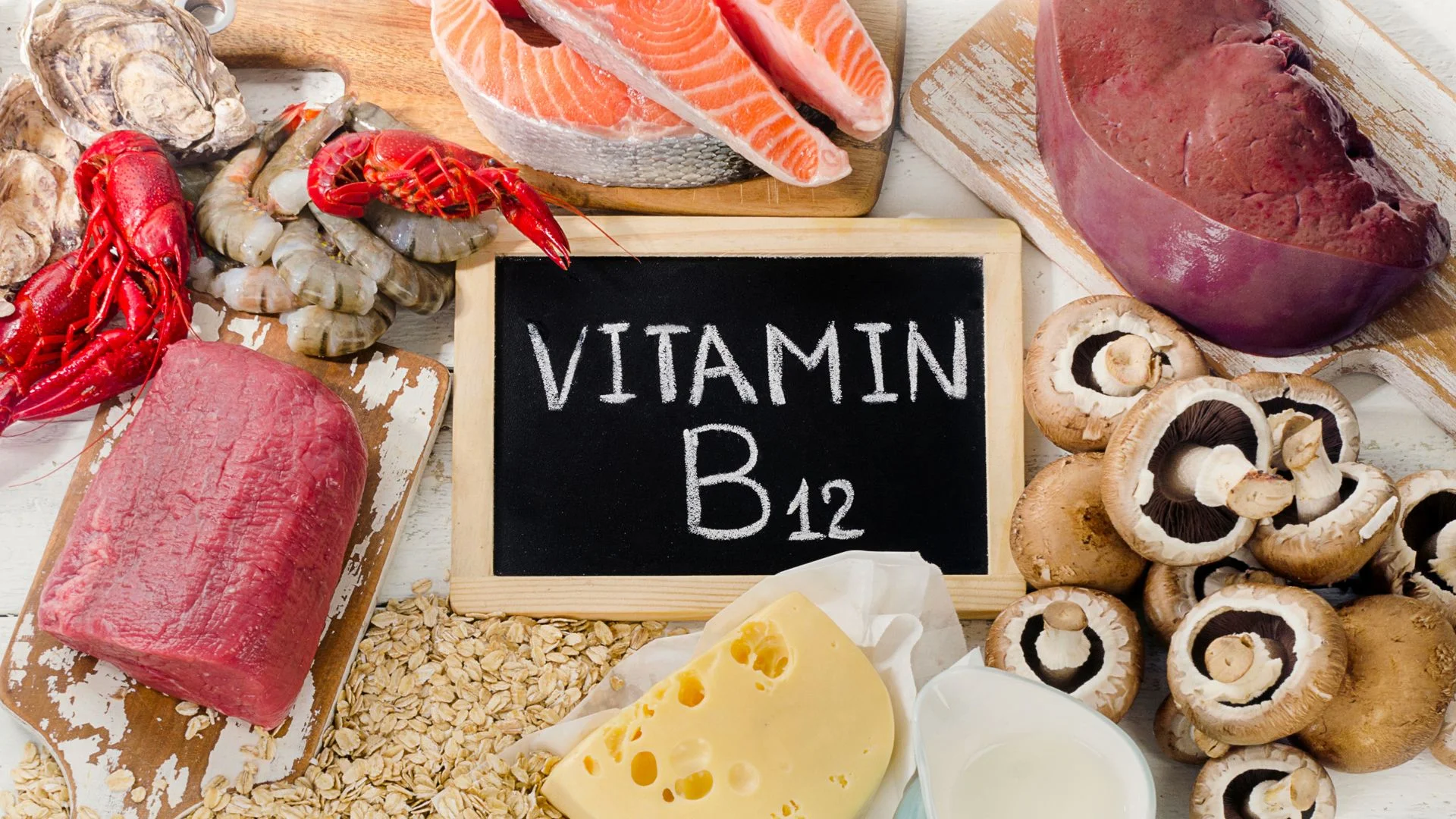
Vitamin B12 is not produced by the body and must be obtained from animal-based foods, including:
- Protein-rich foods such as red meat and chicken
- Seafood
- Organ meats such as liver and kidneys
- Dairy products such as yogurt and cheese
- Eggs
Vitamin B12 is abundant in animal-based foods and dairy products and is also found in fermented soy products. Plant-based foods such as nuts, vegetables, and fruits do not contain vitamin B12.
Which fruits contain Vitamin B12?
Fruits such as bananas, avocados, blueberries, and mangoes do not naturally contain vitamin B12.
Who is at risk of Vitamin B12 deficiency?
Vitamin B12 deficiency is more common in individuals over 65 years old because absorption becomes more difficult with age. Vegetarians are also at risk due to the lack of animal-based foods in their diet. People with pernicious anemia, a condition affecting intrinsic factor production in the stomach, are also at risk. Other risk groups include individuals with intestinal disorders, those who have undergone gastrointestinal surgery, and people with gastritis or inflammatory bowel diseases.
Risk groups include:
- Vegetarians and strict dieters
- Individuals who have undergone gastrointestinal surgery
- People with alcohol dependence
- Malnourished children and pregnant women
- Individuals with intestinal bacterial overgrowth after antibiotics
- People using long-term stomach medications
- Individuals with HIV/AIDS
Treatment of Vitamin B12 Deficiency
Treatment involves high-dose oral B12 tablets or vitamin B12 injections. Oral treatment is preferred in children. Injections are used especially when absorption problems exist. Treating the deficiency improves quality of life. If untreated, irreversible neurological damage may occur. Individuals at risk may require 6–30 micrograms of B12 daily under medical supervision.
Diseases associated with B12 deficiency
Vitamin B12 deficiency may be associated with conditions such as Alzheimer’s disease and dementia, and can also occur alongside thyroid hormone deficiency or vitamin D deficiency, which may contribute to memory problems.
Is excess Vitamin B12 harmful?
Vitamin B12 can be stored in the body for up to 5 years. Excess amounts are generally not harmful and are excreted through urine.
Side effects of Vitamin B12
Vitamin B12 has no established upper toxicity limit. Side effects are rare, but in some cases acne may occur.