


What are Chia Seeds and Their Benefits?
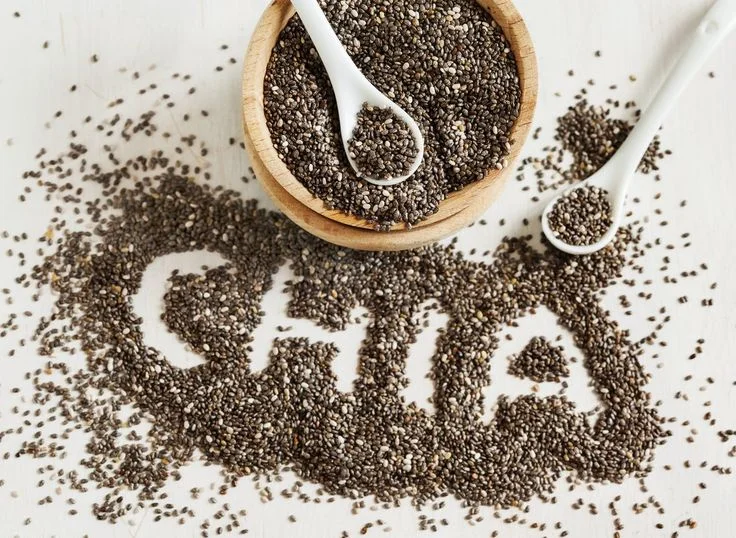
Chia Seeds: Composition, Benefits and Uses
Chia seeds are a nutrient-dense food source rich in fiber, protein, vitamins, and minerals. Being naturally gluten-free, they support heart health, help regulate blood sugar levels, and promote digestive wellness. Due to their high satiety effect and neutral taste, chia seeds can be easily incorporated into both sweet and savory dishes.
What are Chia Seeds?
Chia seeds are the small black or white seeds of Salvia hispanica, a plant native to Central and Southern Mexico. They are rich in dietary fiber and omega-3 fatty acids.
Unlike most plant-based foods, chia seeds contain all nine essential amino acids, making them a complete plant-based protein source.
In 100 grams of chia seeds:
- 34 g fiber
- 16+ g protein
Their high fiber content supports digestion by absorbing liquid and expanding in the stomach, promoting prolonged satiety.
Chia seeds are also rich in healthy fats, particularly alpha-linolenic acid (ALA), a plant-based omega-3 fatty acid. The body can partially convert ALA into EPA and DHA. These fatty acids are known for their anti-inflammatory effects.
Nutritional Value (per 100 g)
- Calories: 486 kcal
- Fat: 31 g
- Saturated fat: 3.3 g
- Polyunsaturated fat: 24 g
- Monounsaturated fat: 2.3 g
- Trans fat: 0.1 g
- Cholesterol: 0 mg
- Sodium: 16 mg
- Potassium: 407 mg
- Carbohydrates: 42 g
- Dietary fiber: 34 g
- Sugars: 0 g
- Protein: 16 g
- Calcium: 631 mg
- Iron: 7.7 mg
- Magnesium: 335 mg
Health Benefits of Chia Seeds
As a rich source of antioxidants, chia seeds:
- Reduce inflammation
- Support heart and liver health
- May slow aging processes
- Strengthen bone health
- Improve digestive function
- Help regulate blood glucose levels
- Support weight management
Key benefits include:
- May reduce triglyceride levels and blood pressure
- Strengthens bones due to high calcium content
- Helps regulate blood sugar and improves insulin sensitivity
- Supports cardiovascular health
- Strengthens the immune system
- Aids weight loss by increasing satiety
- Increases omega-3 levels in the body
- Improves digestive health
- May help reduce anxiety and depressive symptoms
- May reduce cancer risk
- Helps reduce chronic inflammation
Medical and Nutritional Uses
1. Cardiovascular Health
Studies suggest chia seeds may help reduce triglycerides and blood pressure in healthy individuals.
2. Anti-inflammatory Effects
Chia seeds contain antioxidants such as caffeic acid, which may help reduce inflammation in the body.
3. Bone Health
Rich in calcium, magnesium, and phosphorus, they support bone strength, especially in vegan and vegetarian diets.
4. Blood Sugar Regulation
Due to their high fiber and omega-3 content, chia seeds help stabilize blood glucose levels and may improve insulin sensitivity.
5. Immune Support
Omega-3 fatty acids support immune cell function, enhancing the activity of T-cells and B-cells.
6. Digestive Health
High fiber content prevents constipation, improves bowel movements, and supports gut health. Adequate water intake is essential when consuming chia seeds.
7. Potential Cancer-Preventive Effects
Compounds such as kaempferol may help reduce oxidative stress and potentially lower cancer risk.
How to Consume Chia Seeds
Chia seeds can be consumed:
- Raw in meals
- Added to salads
- Blended into smoothies
- Used in soups and desserts
When soaked in liquid, chia seeds can absorb up to 10 times their weight and form a gel-like consistency.
Recommended soaking ratio: 1:6 (chia to water)
Soak for at least 1 hour before consumption.
Recommended Daily Intake
A daily intake of 1–2 tablespoons is generally sufficient to meet nutritional needs. Excess consumption is not recommended.
Who Should Avoid or Use Caution
Chia seeds should be consumed carefully by:
- Pregnant women (medical consultation recommended)
- Individuals on blood pressure or diabetes medication
- People with allergies
- Individuals with swallowing difficulties
- Those on anticoagulant (blood-thinning) therapy
- People with low blood pressure
Chia seeds may enhance the effect of blood pressure and diabetes medications.