


What is depression?
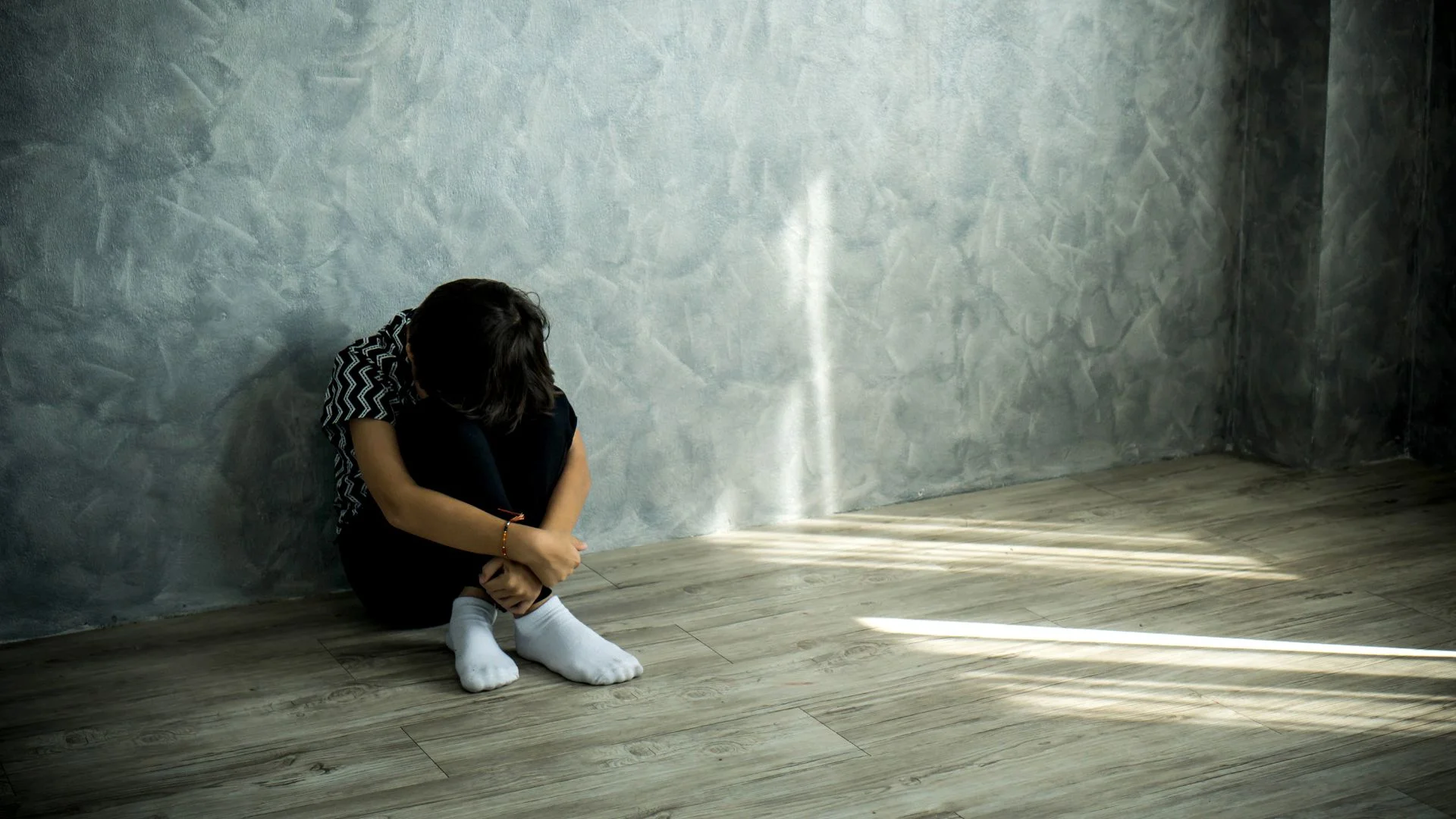
What is depression?
Depression is a psychological disorder in which individuals do not feel mentally well for a long time and this condition affects daily life. Lack of motivation, feelings of worthlessness, pessimism, sadness, guilt, and thoughts of death or suicide are common symptoms of depression.
For a diagnosis of depression, symptoms must persist for at least two weeks and there must be a noticeable change in a person’s previous level of functioning. Therefore, depression is more than just a few days of sadness or low mood. It is a serious mood disorder that negatively affects emotions, thoughts, and behavior, and can disrupt relationships, professional and social functioning, and even physical health.
What are the symptoms of depression?
Depression may include many symptoms that can occur once or multiple times in a lifetime. These include:
-
Persistent sadness or depressed mood
-
Loss of interest or pleasure in activities once enjoyed
-
Weight loss or weight gain not related to diet
-
Oversleeping or difficulty sleeping
-
Loss of energy
-
Feeling hopeless or pessimistic
-
Sadness and unhappiness
-
Feelings of worthlessness
-
Excessive guilt
-
Difficulty thinking, concentrating, and making decisions
-
Recurrent thoughts of death or suicide
-
Loss of sexual desire
-
Low self-confidence
-
Lack of future expectations
To be considered depression, at least five of these symptoms must be present for at least two weeks. These symptoms can significantly disrupt daily life.
Does depression differ in children and adolescents?
Yes, symptoms vary by age.
Preschool children (3–6 years):
-
Constant sadness and anxiety
-
Withdrawal and lack of interest
-
Irritability and aggression
-
Avoiding eye contact with parents
-
Sudden weight changes
-
Not playing with toys
-
Digestive problems
-
Lack of response to surroundings
Ages 6–12:
-
Decline in school performance
-
Sadness and hopelessness
-
Anxiety
-
Excessive self-criticism and guilt
-
Feelings of worthlessness
-
Sleep and appetite problems
-
Thoughts of death or suicide
Adolescents (13–18):
-
Irritability and anger
-
Low self-esteem
-
Constant fatigue
-
Loss of interest in activities
-
Headaches and stomach aches
-
Sleep disturbances
-
Social withdrawal
-
Anxiety and tension
Causes of depression
Depression usually has multiple causes, including biological, genetic, psychological, and social factors:
Biological factors:
-
Genetic predisposition
-
Chronic illnesses (heart disease, diabetes, thyroid disorders, etc.)
-
Hormonal changes
-
Certain medications
Psychosocial factors:
-
Stressful life events
-
Loss of a loved one
-
Lack of social support
-
Childhood trauma or abuse
-
Alcohol or substance use
-
Economic difficulties
-
Family or relationship problems
Who is more likely to experience depression?
Depression is one of the most common mental disorders. It affects about 15–20% of people at least once in their lifetime. It is about twice as common in women as in men, partly due to hormonal changes during menstruation, pregnancy, and childbirth. Childhood depression that is not treated may continue into adulthood.
How is depression diagnosed?
Depression is diagnosed by medical professionals based on clinical evaluation. There is no specific blood test, scan, or imaging method to diagnose depression. However, doctors may order tests to rule out other conditions such as vitamin deficiencies, thyroid problems, brain tumors, or substance use, which can cause similar symptoms.