


What is Hepatitis A?
What is Hepatitis A?
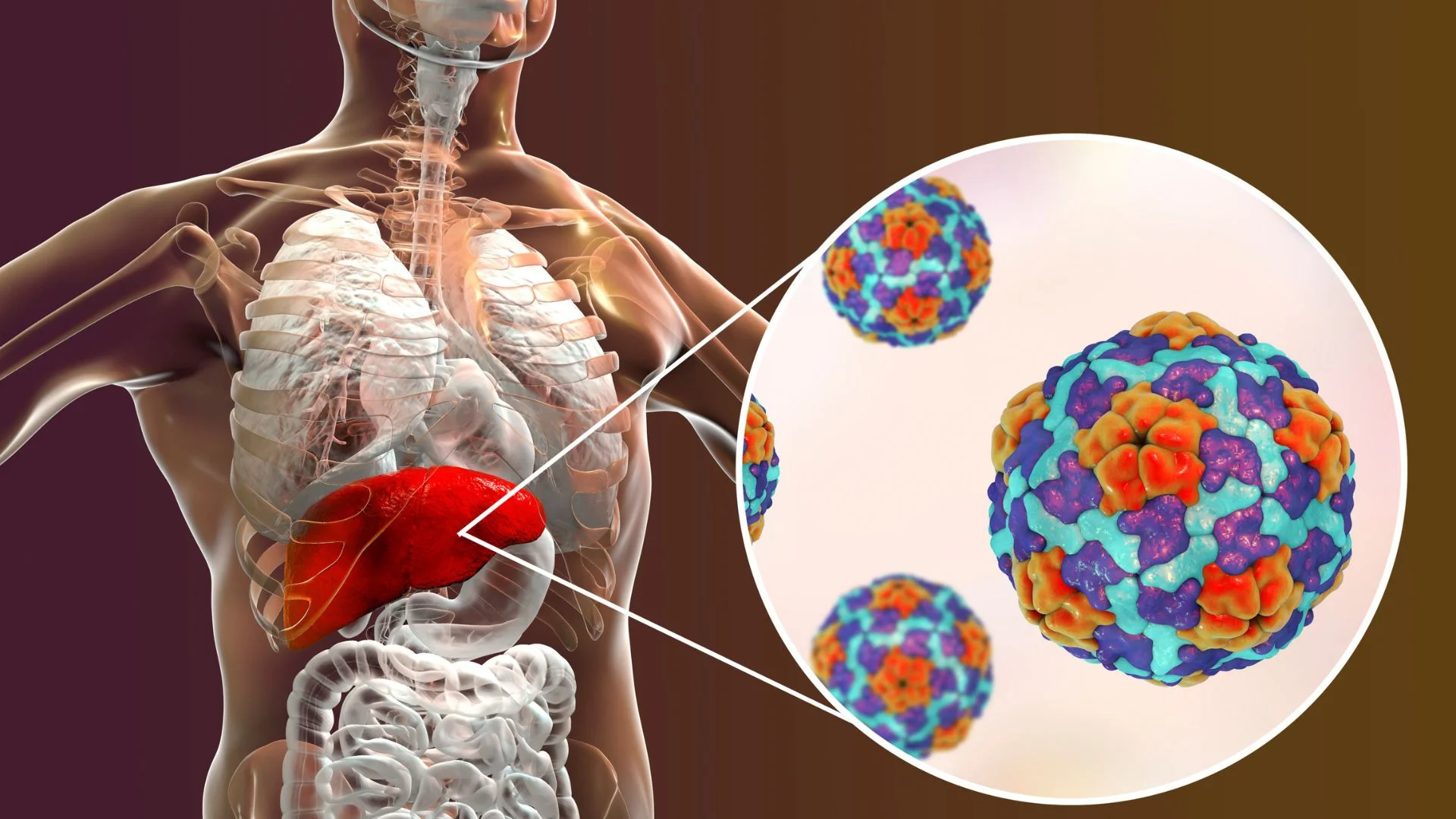
Hepatitis A is a contagious viral liver infection caused by the Hepatitis A virus (HAV). It is a global public health concern and spreads mainly through ingestion of contaminated food or water, or through contact with infected feces. The disease causes inflammation of the liver and may lead to symptoms ranging from mild illness to, in rare cases, severe liver failure. Vaccination and proper hygiene are the most effective ways to prevent infection.
What is the Hepatitis A virus?
Hepatitis A virus (HAV) is a type of RNA virus that primarily affects the liver. Once inside the human body, it causes liver inflammation and jaundice. The virus is transmitted via the fecal–oral route. Maintaining strict hygiene is essential for prevention.
How is Hepatitis A transmitted?
Hepatitis A spreads through contact with infected feces. Common transmission routes include:
- Consumption of contaminated food or water
- Close contact with infected individuals
- Sharing personal items (towels, utensils, clothing)
- Poor sanitation and unchlorinated swimming pools
- Eating raw or undercooked food
- In some cases, sexual contact
Diagnosis of Hepatitis A
Diagnosis is based on symptoms and confirmed through blood tests. The presence of IgM and IgG antibodies is used to detect infection and determine whether a person has had a past infection or vaccination.
Treatment of Hepatitis A
There is no specific antiviral treatment for Hepatitis A. The infection is usually self-limiting. Treatment focuses on relieving symptoms such as fever, fatigue, nausea, and weakness. Most patients recover fully over time.
Vaccination before exposure provides long-term protection, but it is not effective after infection has occurred.
Symptoms of Hepatitis A
Symptoms may be mild in children but more severe in adults. They include:
- Fatigue and weakness
- Joint pain
- Loss of appetite
- Rapid weight loss
- Diarrhea
- Nausea and vomiting
- Abdominal discomfort
- Jaundice (yellowing of skin and eyes)
- Dark urine
- Pale stools
High-risk groups for Hepatitis A
- People with liver disease
- Patients with Hepatitis B, C, or D
- Immunocompromised individuals (e.g., cancer patients, transplant recipients)
- HIV/AIDS patients
- Sanitation workers
- Healthcare and laboratory workers
- Nursery and elderly care workers
- Drug users
Hepatitis A vaccination
The Hepatitis A vaccine provides protection against infection but is not a treatment. It is most effective when given before exposure. It is part of routine childhood immunization programs in many countries and is usually administered in two doses. Adults can also be vaccinated if not previously immunized.
Side effects of the Hepatitis A vaccine
Side effects are generally mild and may include:
- Redness or swelling at the injection site
- Mild fever
- Fatigue
- Nausea or stomach discomfort
Severe side effects are rare, and medical attention should be sought if they occur.
Prevention
Good hygiene and sanitation are essential to prevent Hepatitis A infection. Vaccination remains the most effective protective measure.
Что такое гепатит A?
Гепатит A — это заразное вирусное заболевание печени, вызываемое вирусом гепатита A (HAV). Это глобальная проблема здравоохранения. Инфекция передаётся в основном через загрязнённую пищу и воду или при контакте с инфицированными фекалиями. Заболевание вызывает воспаление печени и может протекать от лёгкой формы до, в редких случаях, тяжёлой печёночной недостаточности. Основными методами профилактики являются вакцинация и соблюдение гигиены.
Что такое вирус гепатита A?
Вирус гепатита A (HAV) — это РНК-вирус, поражающий печень. Он вызывает воспаление печени и желтуху. Передача происходит фекально-оральным путём. Строгое соблюдение гигиены является ключевым фактором профилактики.
Пути передачи гепатита A
Гепатит A передаётся через контакт с инфицированными фекалиями:
- Употребление загрязнённой пищи и воды
- Контакт с инфицированными людьми
- Использование общих предметов (полотенца, посуда, одежда)
- Плохая санитария и неочищенные бассейны
- Употребление сырой или недостаточно обработанной пищи
- В некоторых случаях — половой контакт
Диагностика гепатита A
Диагноз ставится на основании симптомов и подтверждается анализом крови. Определяются антитела IgM и IgG, что позволяет установить наличие инфекции или иммунитета после вакцинации или перенесённого заболевания.
Лечение гепатита A
Специфического противовирусного лечения нет. Заболевание обычно проходит самостоятельно. Лечение направлено на облегчение симптомов (температура, слабость, тошнота и др.).
Вакцинация до заражения обеспечивает длительную защиту, но не эффективна после инфицирования.
Симптомы гепатита A
У детей болезнь часто протекает легче, у взрослых — тяжелее. Симптомы включают:
- Усталость и слабость
- Боль в суставах
- Потерю аппетита
- Быструю потерю веса
- Диарею
- Тошноту и рвоту
- Боли в животе
- Желтуху
- Тёмную мочу
- Светлый стул
Группы высокого риска
- Люди с заболеваниями печени
- Пациенты с гепатитом B, C или D
- Люди с ослабленным иммунитетом
- Пациенты с ВИЧ/СПИД
- Работники санитарных служб
- Медицинские и лабораторные работники
- Сотрудники детских и домов престарелых
- Наркоманы
Вакцинация против гепатита A
Вакцина защищает от заболевания, но не является лечением. Она наиболее эффективна до заражения. Обычно вводится в двух дозах и включена в календарь прививок многих стран.
Побочные эффекты вакцины
- Покраснение и боль в месте укола
- Лёгкая температура
- Усталость
- Тошнота
Тяжёлые реакции встречаются редко.
Профилактика
Основные меры — соблюдение гигиены и вакцинация.