


What are the causes of constipation?
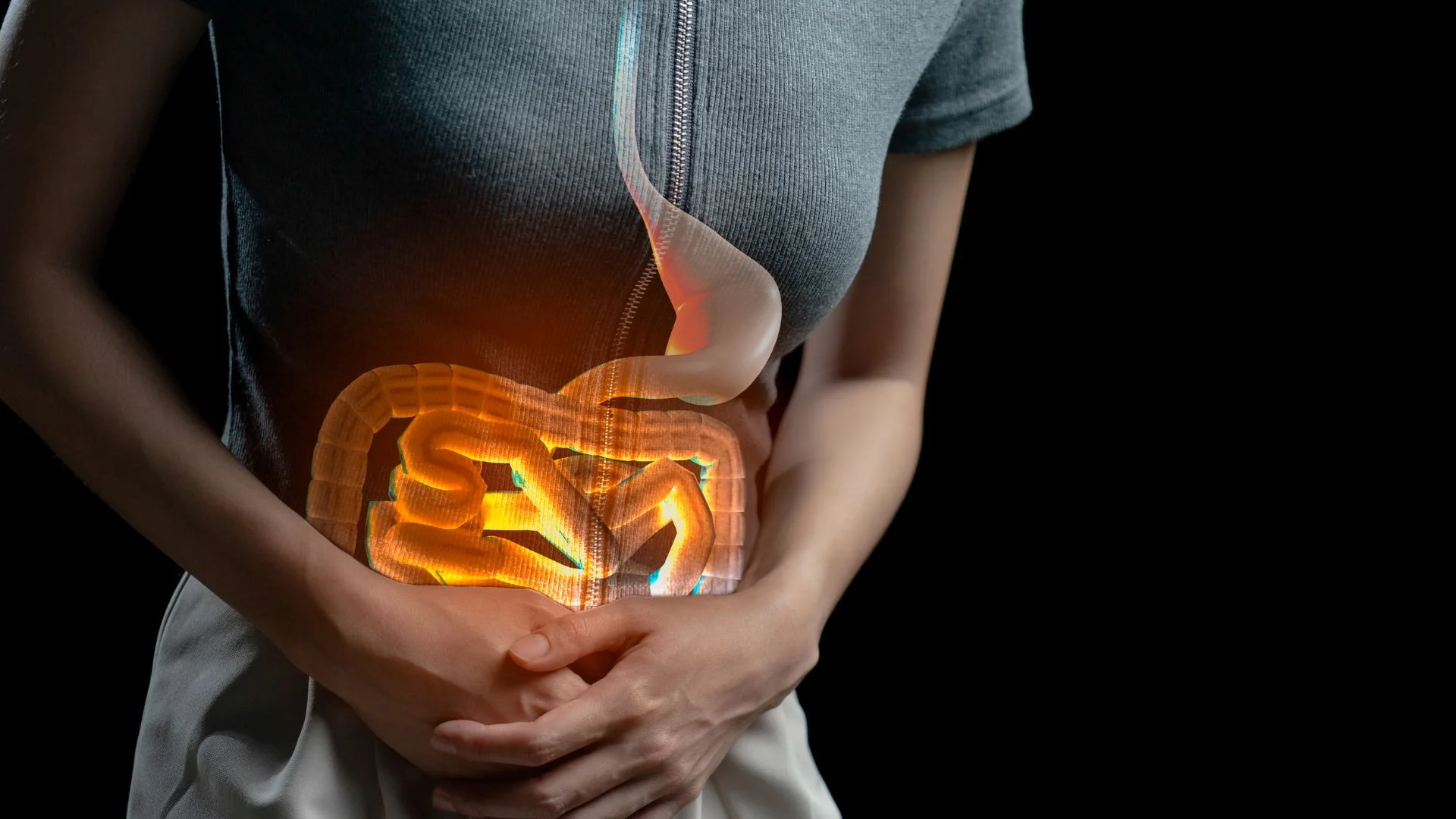
Constipation
Constipation is defined as a decrease in bowel movements and difficulty in passing stool. Many people may experience constipation due to dietary habits, changes in daily routine, or insufficient food intake. If constipation lasts for more than three weeks and is accompanied by symptoms such as severe pain during defecation or blood in the stool, it may be a sign of an underlying medical condition. In such cases, seeking medical attention is extremely important. Having fewer than three bowel movements per week is technically considered constipation. However, since the frequency and pattern of bowel movements vary from person to person, any deviation from an individual’s normal routine should be evaluated. At this point, other key characteristics of constipation are also assessed. Constipation may be present if the stool is dry and hard, defecation is difficult, or there is a feeling of incomplete bowel emptying.
What are the symptoms of constipation?
Constipation is a condition characterized by difficulty in passing stool. Its symptoms include:
-
Fewer than three bowel movements per week
-
Pain during defecation
-
Abdominal pain and cramping
-
Bloating and nausea
-
Feeling of incomplete bowel emptying after defecation
What causes constipation?
Constipation occurs when the large intestine absorbs too much water from the stool. Excessive water absorption causes the stool to become dry and hard, making it difficult to pass. As partially digested food moves through the digestive tract, the intestines gradually absorb nutrients. Waste material passes from the small intestine to the large intestine, where water is absorbed, causing the stool to harden. During constipation, stool moves too slowly, allowing excessive water absorption, which leads to dryness and difficulty in elimination.
Lifestyle factors, medical conditions, and medications can all contribute to constipation. Inadequate fiber intake, insufficient water consumption, and a sedentary lifestyle are common causes. Changes in travel, eating, or sleeping patterns may also contribute. Stress, excessive consumption of dairy products such as milk and cheese, and ignoring the urge to defecate can also lead to constipation. Certain medications may also cause it. In addition, medical conditions such as hypothyroidism, colorectal cancer, irritable bowel syndrome, intestinal obstruction, and diverticulitis may contribute to constipation. Due to physiological changes, constipation is also common during pregnancy.
How is constipation treated?
Mild to moderate constipation can often be managed at home. However, in cases associated with conditions such as intestinal obstruction, hospitalization or medical intervention may be required. Constipation is often treated through lifestyle changes, dietary adjustments, and stress reduction.
Physical activity is important in treatment. Light walking can help increase bowel motility. Healthy defecation patterns can be restored through lifestyle modifications. When lifestyle changes are insufficient, a doctor may recommend increased fiber intake and medications. Laxatives may be used under medical supervision. In some cases, prescription medications are required.
Surgery may be necessary if constipation is caused by structural problems in the colon, such as intestinal obstruction, anal fissure, bowel narrowing, or rectal prolapse.
What helps relieve constipation?
The first recommended home remedy is increasing fluid intake. Drinking sufficient water helps soften stool and improve bowel function. Avoiding dehydration is essential, while reducing consumption of caffeinated and sugary beverages is also recommended.
A diet rich in whole grains, fruits, vegetables, and legumes is beneficial. Processed meats, fried foods, and refined carbohydrates such as white bread and pasta should be avoided.
Constipation during pregnancy
Constipation is very common during pregnancy. Adequate fluid intake supports bodily functions and bowel movements. Fiber-rich foods such as fruits, vegetables, and whole grains should be included in the diet. Light physical activity suitable for pregnancy may also help. If symptoms persist, a doctor may prescribe safe laxatives or stool softeners.
Constipation in infants
Infants have weak abdominal muscles and may strain during bowel movements. If soft stool is passed after a short period of straining, it is not considered constipation. Constipation usually appears when solid foods are introduced. In such cases, water and fruit juices such as plum, apple, and pear juice may help. Depending on age, whole grains such as oats or whole wheat may also be added to the diet.
Foods that help prevent constipation
High-fiber foods can help prevent constipation by supporting regular bowel movements. These include whole grains, fresh and dried fruits, leafy green vegetables, and legumes. Fruits such as plums, oranges, pineapples, strawberries, and mangoes are particularly beneficial.
Foods that may cause constipation
Some foods may contribute to constipation by reducing fiber intake. Processed meats, high-sugar and high-salt foods, and excessive dairy consumption can contribute to constipation. Caffeinated drinks such as tea, coffee, and chocolate may also lead to dehydration and worsen symptoms.
Constipation can result from lifestyle factors, medical conditions, or medications. It can usually be managed with dietary changes, increased physical activity, and adequate fluid intake. However, if it lasts longer than three weeks or is accompanied by other symptoms, medical evaluation is necessary.