


Symptoms and treatment of food poisoning
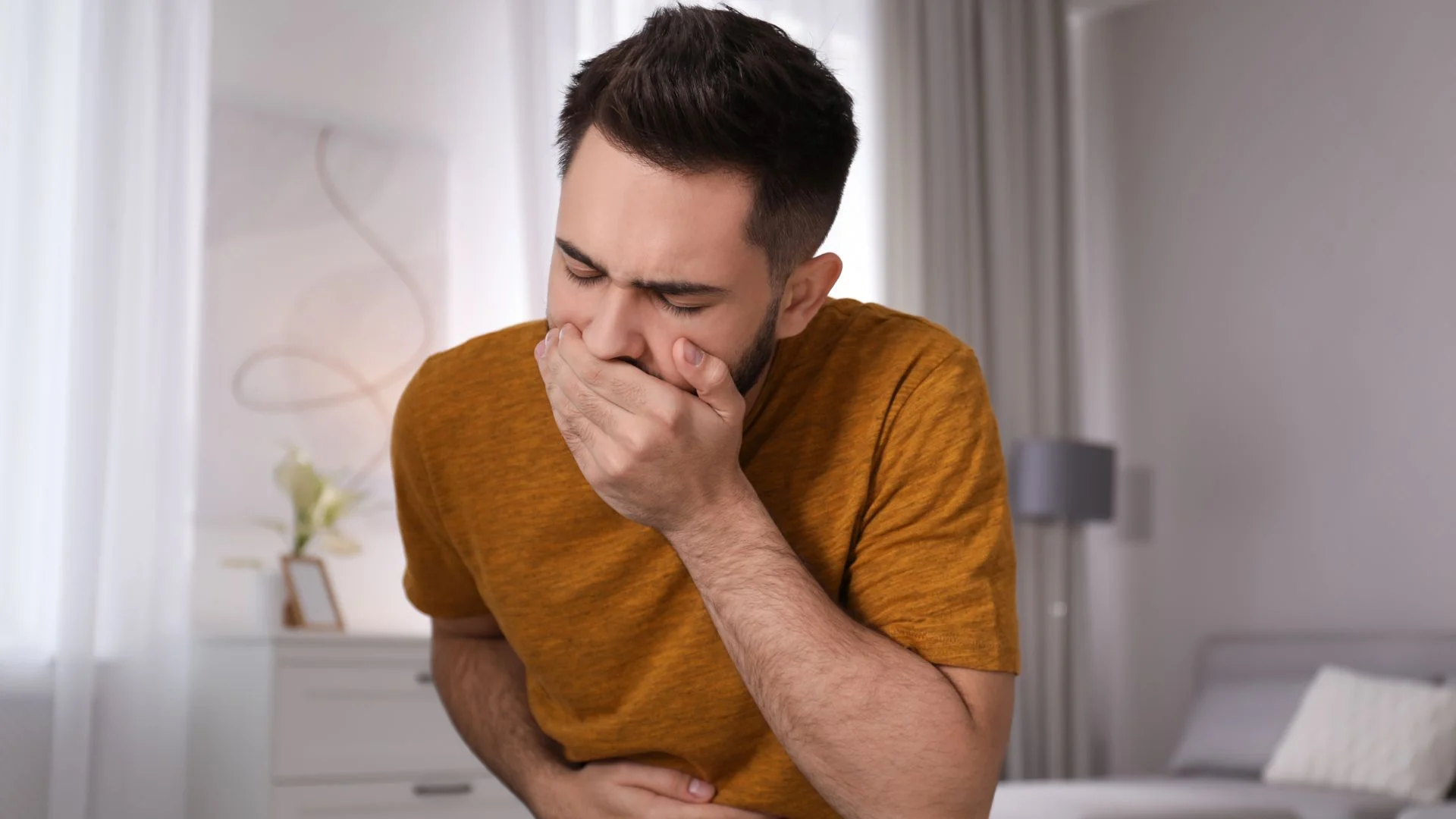
Food poisoning can be briefly defined as a condition caused by foodborne agents that most often negatively affect the stomach and intestinal system. Chemical substances, natural food toxins, metals, pesticides, plastics, detergents, parasites, and microorganisms such as bacteria, mold, and yeast are among the factors that can cause food poisoning. Although the symptoms of food poisoning vary from person to person, stomach upset, diarrhea, and vomiting are among the most common. To prevent food poisoning, hygiene conditions must be strictly observed. Discarding moldy foods, thoroughly cleaning kitchen equipment, and washing fruits and vegetables before consumption are among the key preventive measures. Depending on the severity of symptoms and the causative agents, appropriate treatments may include fluid replacement, probiotics, antibiotics, and antiparasitic medications.
What causes food poisoning?
The causes of food poisoning are mainly grouped into three categories: bacteria, parasites, and viruses contaminating food. These pathogens can be present in almost all foods consumed by humans. However, most of them are destroyed during cooking, which is why food poisoning is more commonly associated with raw or undercooked foods.
Maintaining hygiene during food preparation is extremely important. Not washing hands or food products can lead to contamination. In addition, meat, eggs, milk, and dairy products are frequently associated with contamination. In some cases, food poisoning may also occur due to water contaminated with harmful organisms.
The causes of food poisoning can be summarized as follows:
-
Bacteria, viruses, parasites, toxins, and toxin-producing microorganisms living in the intestines can contaminate food and beverages and cause poisoning.
-
The most common cause of poisoning is Staphylococcus, while one of the most dangerous and potentially fatal toxins is botulism.
-
Food left at room temperature for long periods can spoil. Likewise, foods stored improperly in refrigerators or freezers can also become contaminated.
-
Failure to wash hands after using the toilet or handling contaminants, or preparing/serving food in this condition, can lead to contamination.
-
Using unclean kitchen utensils or preparing food in an unhygienic environment can cause exposure.
-
Infants, children, elderly individuals, pregnant women, and people with weakened immune systems are more vulnerable to food poisoning.
-
High-risk foods include milk and dairy products, cream-based foods, chicken, mayonnaise, eggs and egg-based foods, improperly stored meat, and seafood. Low-risk foods include dried and pickled foods with high salt, sugar, or preservatives.
How can food poisoning be recognized?
Foodborne illnesses can infect the digestive system and cause symptoms. Not all symptoms occur in every case, and their severity depends on the cause of poisoning. Food poisoning is identified through its symptoms, which include:
-
Headache
-
Burning sensation
-
Stomach discomfort, pain, nausea, and cramps
-
Bloody stools and diarrhea
-
Blurred or double vision
-
Loss of movement in limbs
-
Difficulty swallowing
-
Skin rash and numbness
-
Weakness and fatigue
-
Voice changes
-
Reduced urination
-
Dizziness
-
Frequent vomiting
-
Breathing difficulties
-
Irritable bowel syndrome
-
Joint pain, swelling, and arthritis
-
Excessive thirst and dry mouth
-
Black or tarry stools
-
Severe rectal pain
-
Changes in thinking and behavior
What helps food poisoning? How is it treated?
Treatment depends on the severity of symptoms and the cause of the illness. Medication is rarely required. If bacteria, viruses, or parasites are responsible, medical treatment may be used. The main goal is to relieve symptoms and prevent complications.
Common supportive measures include:
-
Rest: Helps reduce fatigue and other symptoms.
-
Temporary fasting: Avoid eating and drinking for a few hours after symptoms begin; then resume with light foods.
-
Hydration: Dehydration is common due to diarrhea and vomiting and must be treated promptly. Severe cases may require intravenous fluids under medical supervision.
-
Antibiotics and antiparasitic drugs: May be prescribed if a bacterial or parasitic infection is confirmed.
-
Symptom-relief medications: For nausea, vomiting, and diarrhea.
-
Probiotics: Help restore balance in the gut microbiota.
How can food poisoning be prevented?
Prevention requires strict hygiene from food production to consumption. Key measures include:
-
Choosing fresh, undamaged foods during shopping
-
Checking expiration dates
-
Avoiding moldy or spoiled foods
-
Thoroughly washing fruits, vegetables, eggs, and dried foods
-
Using safe, uncracked eggs
-
Storing perishable foods (milk, dairy, meat, seafood) below 5°C
-
Using clean, undamaged kitchen utensils
-
Avoiding refreezing thawed foods
-
Fully cooking meat, especially large cuts
-
Separating raw and cooked foods
-
Avoiding unpackaged/openly sold foods
-
Preparing only the amount of food that will be consumed
-
Using closed trash bins
-
Cleaning the refrigerator regularly