


What is Reflux ?
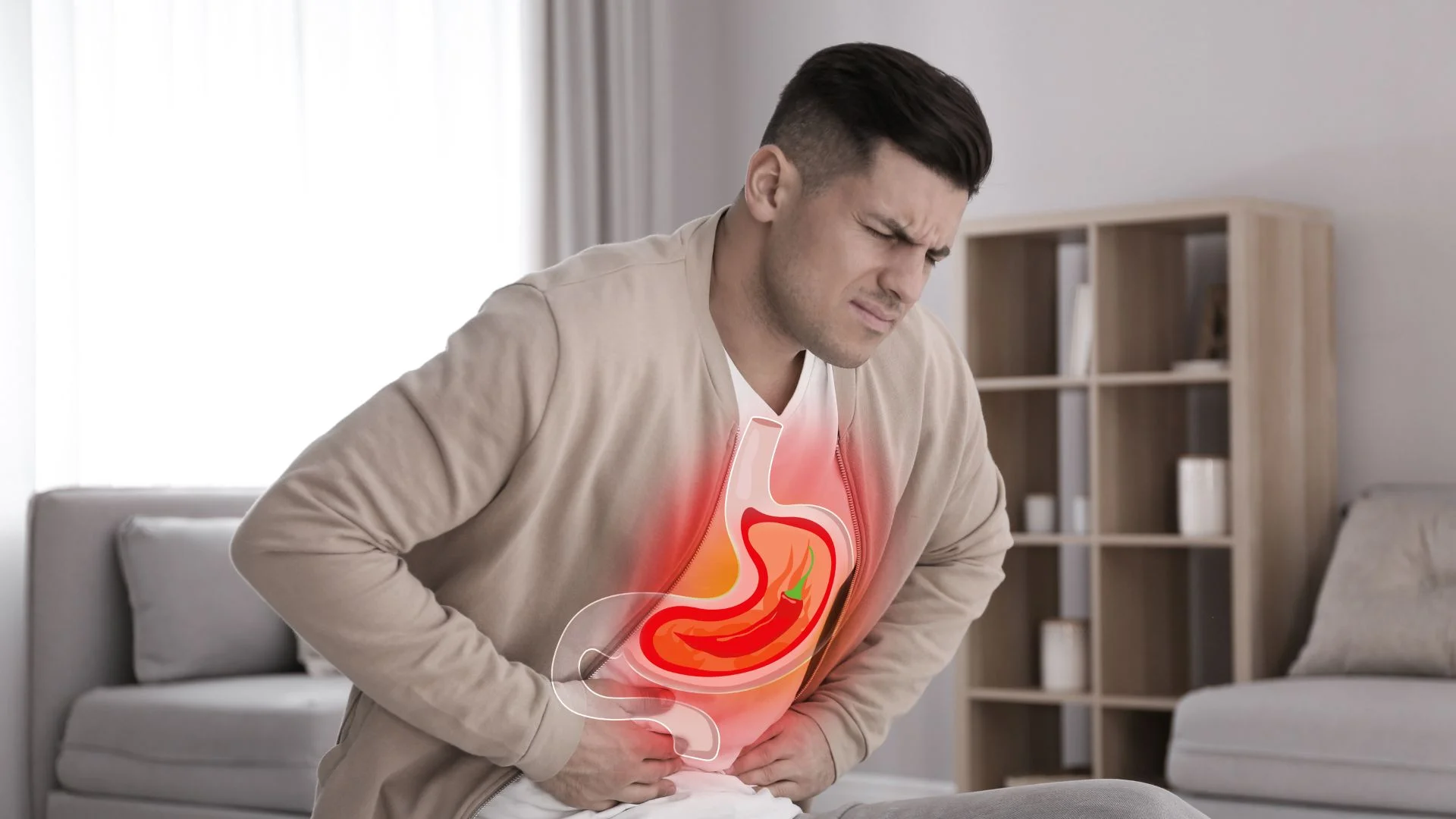
What is Reflux ?
Reflux disease occurs when the contents of the stomach—and in some cases, bile and pancreatic secretions from the duodenum—flow backward into the esophagus. This backflow causes a burning sensation behind the breastbone, commonly known as heartburn.
Reflux may also present as a sour or bitter taste in the mouth. When irritation leads to swelling in the esophagus, it may cause a feeling of throat tightness. Spasms triggered by irritation can result in chest pain, which is sometimes mistaken for heart disease. Other symptoms may include hoarseness, dry cough, painful or difficult swallowing, and hiccups.
Symptoms of Reflux
Reflux symptoms are divided into typical and atypical forms.
Typical symptoms include:
- Heartburn (burning sensation in the stomach/chest)
- Acid regurgitation
- Sour or bitter taste in the mouth
- Chest pain
- Difficulty swallowing
Atypical symptoms include:
- Chronic cough
- Sinusitis-like symptoms
- Bad breath
- Hoarseness
- Tooth decay
- Throat discomfort
Reflux can also be mistaken for heart or lung diseases due to chest pain. Chronic reflux may contribute to conditions such as chronic pharyngitis and, if stomach contents reach the airways, may worsen or trigger asthma and other respiratory diseases.
Diagnosis of Reflux
Diagnosis is primarily based on patient symptoms. In many cases, gastroscopy (endoscopy) is performed to examine:
- The lower esophageal sphincter
- Presence of hiatal hernia
- Damage to the esophagus
If necessary, tissue samples (biopsy) may be taken.
Treatment of Reflux
Treatment usually begins with lifestyle modifications, such as:
- Avoid lying down after meals
- Eating smaller, more frequent meals
- Avoiding carbonated drinks and alcohol
Medications such as antacids and acid-reducing drugs may be prescribed to regulate stomach acid and improve esophageal function.
Surgical Treatment of Reflux
Surgery may be considered when reflux is caused by anatomical issues such as a hiatal hernia or when medications and lifestyle changes are ineffective. Surgery may also be considered in young patients requiring long-term treatment.
Lifestyle and Dietary Recommendations
To reduce reflux symptoms:
- Avoid long periods of fasting
- Chew food thoroughly and eat small portions
- Do not drink fluids during meals (prefer 30 minutes before or after eating)
- Avoid eating before bedtime (at least 2 hours before sleep)
- Elevate the head of the bed (10–15 cm)
- Wear loose clothing (avoid tight belts)
- Maintain a healthy body weight
- Reduce stress
Diet in Reflux Disease
Diet plays a key role in managing reflux. Foods and habits to avoid include:
- Spicy foods
- Fatty and fried foods
- Chocolate
- Coffee (limit intake; herbal teas may be preferred)
- Carbonated and acidic drinks
- Excessively hot or cold foods
- Smoking
A balanced diet significantly helps control symptoms.
Reflux in Infants and Children
In infants, reflux often presents as frequent vomiting. However, physiological reflux is normal in babies. Evaluation includes feeding patterns, sleeping position, and frequency of vomiting. Treatment focuses mainly on feeding techniques and positioning rather than medication.
In children, reflux occurs due to dysfunction of the valve-like structures between the stomach and esophagus. Risk factors include obesity, poor diet, smoking exposure, certain medications, and genetic predisposition.
Difference Between Reflux and Gastritis
- Reflux: Caused by stomach acid flowing back into the esophagus due to valve dysfunction or hiatal hernia.
- Gastritis: Inflammation of the stomach lining, often caused by excessive use of painkillers or anti-inflammatory drugs.
Gastritis damages the protective stomach lining, while reflux affects the esophagus.
Что такое рефлюкс (ГЭРБ)?
Рефлюкс — это состояние, при котором содержимое желудка, а иногда и желчь с панкреатическими ферментами из двенадцатиперстной кишки, забрасывается обратно в пищевод. Это вызывает жжение за грудиной, известное как изжога.
Также может появляться кислый или горький привкус во рту. Раздражение пищевода может вызывать ощущение отёка в горле, а спазмы — боль в груди, которую иногда путают с сердечными заболеваниями. Дополнительно возможны охриплость, сухой кашель, затруднённое глотание и икота.
Симптомы рефлюкса
Симптомы делятся на типичные и атипичные.
Типичные симптомы:
- Изжога
- Кислая отрыжка
- Горький привкус во рту
- Боль в груди
- Затруднение глотания
Атипичные симптомы:
- Хронический кашель
- Симптомы, похожие на синусит
- Неприятный запах изо рта
- Охриплость
- Кариес
- Дискомфорт в горле
Рефлюкс может быть ошибочно принят за заболевания сердца или лёгких. При хроническом течении может приводить к фарингиту, а попадание содержимого желудка в дыхательные пути — к астме и другим заболеваниям дыхательной системы.
Диагностика рефлюкса
Основой диагностики являются жалобы пациента. Основной метод — гастроскопия, которая позволяет оценить:
- Нижний пищеводный сфинктер
- Грыжу пищеводного отверстия диафрагмы
- Повреждение пищевода
При необходимости проводится биопсия.
Лечение рефлюкса
Лечение начинается с изменения образа жизни:
- Не ложиться после еды
- Питаться небольшими порциями
- Избегать алкоголя и газированных напитков
Назначаются препараты, снижающие кислотность и нормализующие работу пищевода и желудка.
Хирургическое лечение
Операция применяется при анатомических нарушениях (например, грыже пищеводного отверстия диафрагмы) или при неэффективности медикаментозного лечения.
Образ жизни и питание
Рекомендуется:
- Не голодать длительно
- Тщательно пережёвывать пищу
- Пить жидкость между приёмами пищи
- Не есть за 2 часа до сна
- Приподнимать изголовье кровати
- Избегать тесной одежды
- Контролировать вес
- Снижать уровень стресса
Питание при рефлюксе
Следует избегать:
- Острой пищи
- Жирной и жареной пищи
- Шоколада
- Кофе
- Газированных и кислых напитков
- Курения
Рефлюкс у детей и младенцев
У младенцев частая рвота может быть нормальным физиологическим явлением. Важно отличать физиологический рефлюкс от патологического.
У детей рефлюкс связан с нарушением работы клапанных структур между желудком и пищеводом.
Разница между рефлюксом и гастритом
- Рефлюкс — обратный заброс кислоты в пищевод
- Гастрит — воспаление слизистой оболочки желудка, часто из-за лекарств