


hickenpox: Symptoms and Treatment
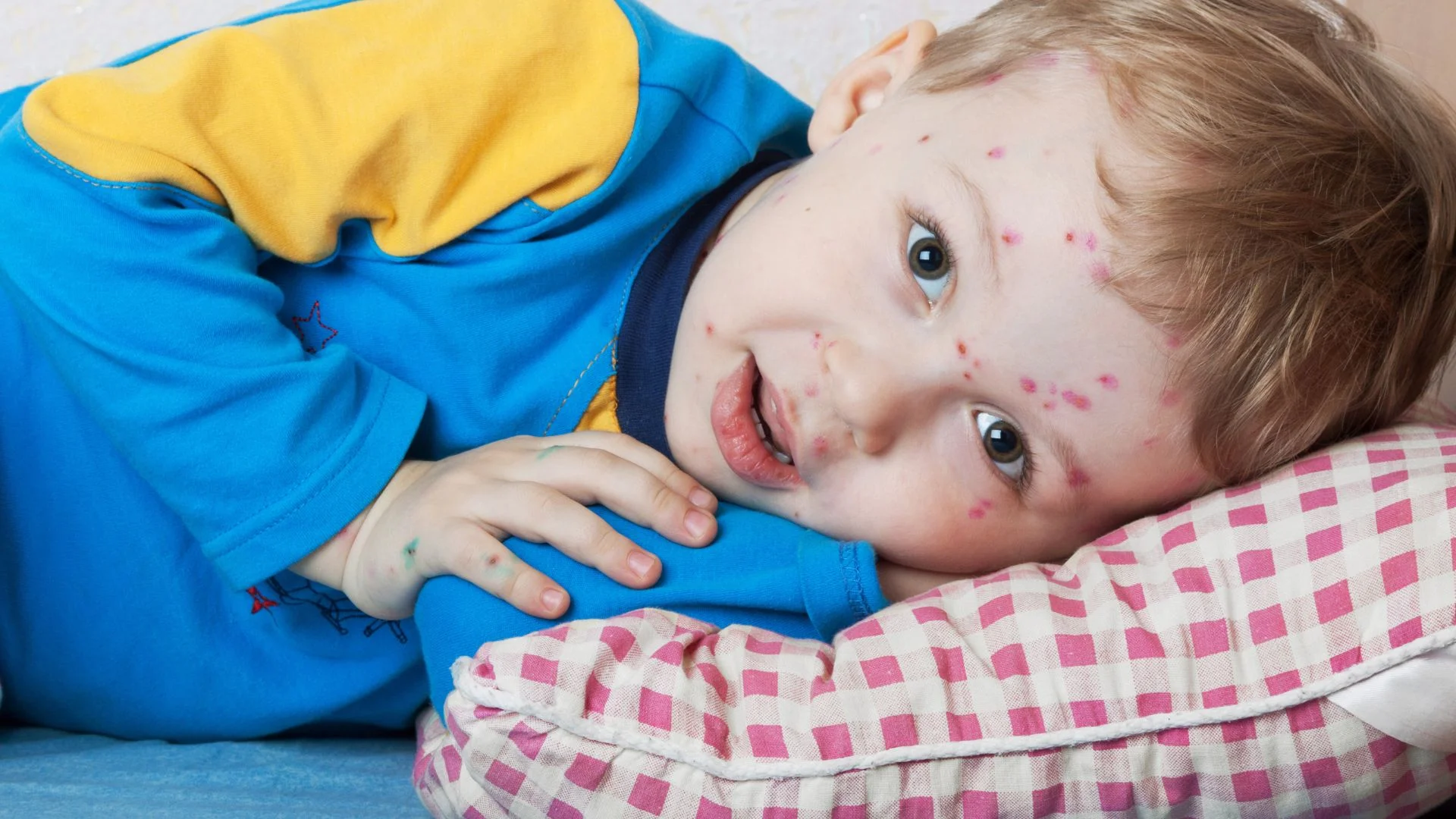
Chickenpox: Symptoms and Treatment
Chickenpox is an acute contagious disease caused by the varicella-zoster virus (VZV), a DNA virus from the herpesvirus group. It produces small, fluid-filled blisters that cause itching. Chickenpox spreads very easily to people who have not had the disease or have not been vaccinated. Previously, chickenpox was widespread, but today vaccination protects children from this disease. The chickenpox vaccine is a safe way to prevent the illness and potential complications.
Symptoms of Chickenpox
Symptoms of chickenpox appear 10–21 days after exposure to the varicella-zoster virus. The rash typically lasts 5–10 days and may be preceded by the following symptoms 1–2 days before the rash appears:
-
Fever
-
Loss of appetite
-
Headache
-
Fatigue and general weakness
The rash develops in three stages:
-
Red spots appear during the first days.
-
Small fluid-filled papules form over the next few days.
-
Finally, the papules crust over, fade, and disappear as the healing stage progresses.
The virus can be contagious 48 hours before the rash appears and remains contagious until all the blisters have crusted. In healthy children, chickenpox is usually mild, but sometimes the rash can cover the entire body. Blisters can also appear in the throat, eyes, urethra, anus, and vagina.
When to See a Doctor
If you or your child may have chickenpox, consult a doctor. Diagnosis is usually made by examining the rash and other symptoms. Medications may be needed to help fight the virus or prevent other complications.
Causes of Chickenpox
Chickenpox is caused by the varicella-zoster virus. It spreads through direct contact with the rash and via airborne droplets from coughing or sneezing.
Risk Factors
The risk of contracting chickenpox is higher for individuals who have not had the disease or have not been vaccinated. Vaccination is especially important for people working in childcare or school settings. Most people who have had chickenpox or been vaccinated are immune. If vaccinated individuals do get chickenpox, symptoms are usually milder.
Complications of Chickenpox
Although usually mild, chickenpox can sometimes lead to serious complications:
-
Dehydration due to fluid loss
-
Pneumonia
-
Toxic shock syndrome (a severe bacterial complication)
-
Reye’s syndrome (brain and liver swelling, particularly in children who take aspirin during infection)
In rare cases, chickenpox can be fatal.
High-Risk Groups
-
Newborns and infants whose mothers have never had chickenpox or the vaccine
-
Adolescents and adults
-
Cancer patients or people with HIV taking immunosuppressive drugs
Treatment of Chickenpox
Treatment mainly involves symptom relief. Doctors may recommend lotions or creams to reduce itching, fever reducers, and, in severe cases, antiviral medications. Bathing is allowed, even during the illness.