


What is vitamin K and what are its benefits?
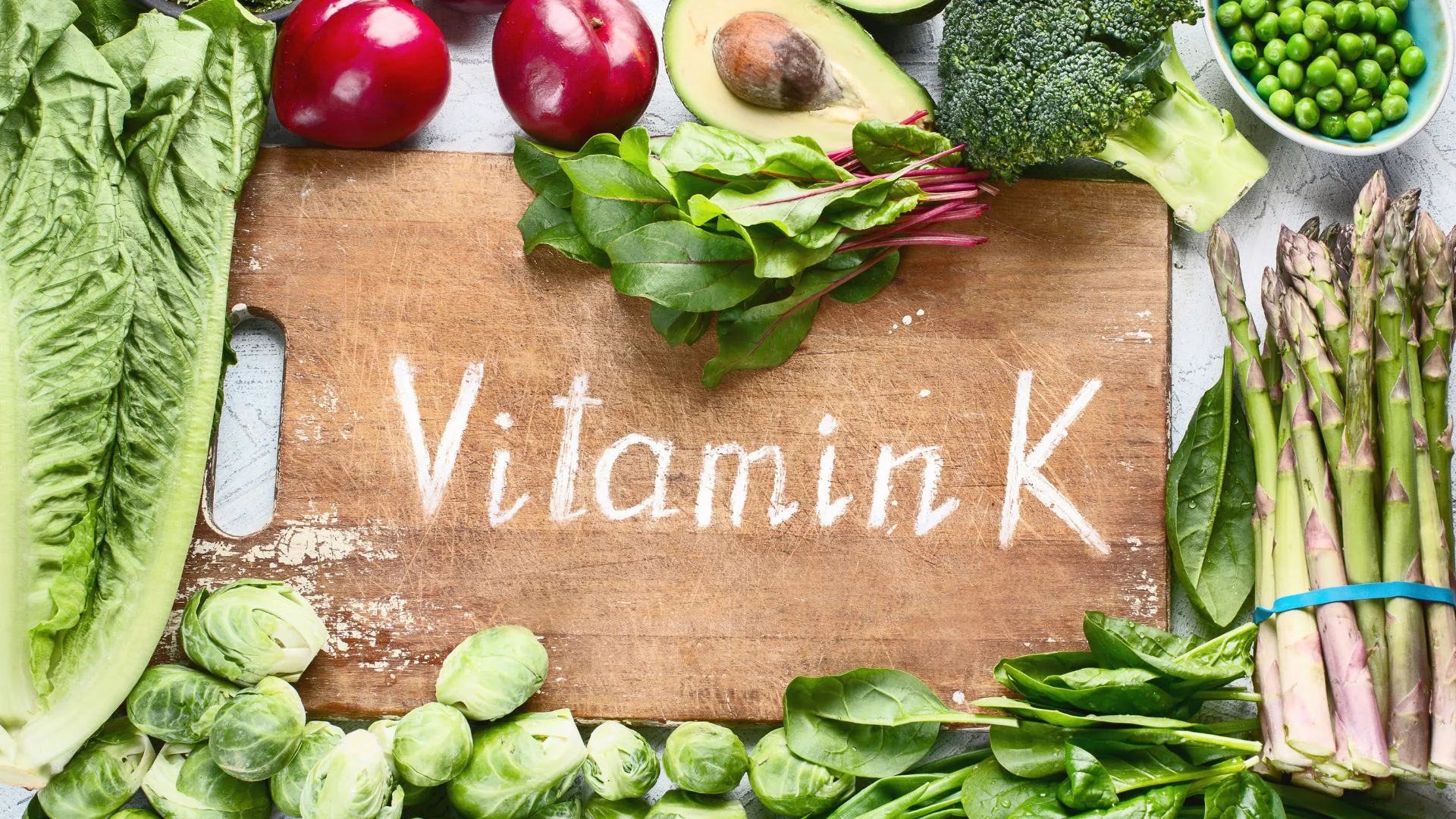
What is Vitamin K?
Vitamin K is a fat-soluble vitamin essential for blood clotting and wound healing. Research also suggests that it may help maintain bone health. Vitamin K exists mainly in two forms: K1 (phylloquinone) and K2 (menaquinone). K1 is primarily found in plant-based foods, while K2 is mostly present in animal-based foods and fermented products. Additionally, gut bacteria can synthesize K2.
-
Phylloquinone (K1): Found in green leafy vegetables such as kale and spinach.
-
Menaquinone (K2): Found in some animal products, including meat, eggs, and cheese, and in fermented foods.
Functions of Vitamin K
Vitamin K is crucial for proper blood clotting and can help prevent excessive bleeding. It also plays a significant role in bone metabolism, supporting bone strength and reducing the risk of fractures. Furthermore, it may help prevent vascular calcification, contributing to heart health, and some studies suggest it could support cognitive function in older adults.
Symptoms of Vitamin K Deficiency
Vitamin K deficiency is rare in adults but can occur in certain situations:
-
Long-term antibiotic use (which disrupts gut bacteria)
-
Malabsorption disorders
-
Use of medications interfering with Vitamin K metabolism
-
Newborns, due to limited transfer through the placenta and low levels in breast milk
Common signs of deficiency include:
-
Easy or excessive bleeding
-
Prolonged clotting times (e.g., extended prothrombin time)
-
Osteopenia or osteoporosis
Recommended Daily Intake
Adults require approximately 1 microgram of Vitamin K per kilogram of body weight per day. For example:
-
A 65 kg person needs about 65 micrograms daily
-
A 75 kg person needs about 75 micrograms daily
Vitamin K is stored in the liver for future use, and excessive intake rarely leads to toxicity, unlike other fat-soluble vitamins, because it is rapidly metabolized and excreted.
Health Benefits of Vitamin K
-
Supports proper blood clotting
-
Maintains bone health and density, reducing fracture risk
-
May improve cognitive function in older adults
-
Helps prevent arterial calcification, supporting cardiovascular health
-
May reduce the risk of stroke
Food Sources of Vitamin K
-
K1 (Phylloquinone): Green leafy vegetables like spinach, kale, broccoli, and lettuce
-
K2 (Menaquinone): Meat, cheese, eggs, and fermented foods; also synthesized by gut bacteria